A Teammate Keeps Blocking Your Work. Now What?
A Teammate Keeps Blocking Your Work. Now What?
Most career advice assumes the drama is vertical. Your boss is unfair. Your boss is absent. Your boss is the problem.
Sometimes, yes.
But early in your career, a shocking amount of damage comes from a peer who sits right in the middle of your workflow and slows everything down by just enough to make you look flaky.
Not with a screaming match. Not with cartoon-villain sabotage.
With “still reviewing.” With “I’ll get to it this afternoon.” With “can you resend that?” With a handoff that somehow remains forever “almost done.”
That’s what makes it so maddening. From the outside, nothing dramatic is happening. No one is pounding the table. No one is committing a fireable offense. Your work is simply… not moving. Politely. Repeatedly. In a way that leaves you holding the deadline like a bag of leaking groceries.
If you’re conscientious, this gets inside your head fast. First comes patience. Then irritation. Then the ugly little self-doubt spiral: Am I being precious? Is this just normal? Do I sound junior if I keep asking? Then Sunday-night dread arrives — that stale, metallic feeling in your chest because you already know Monday will start with “just following up again.” And when you finally say something, it comes out half a click hotter than you intended.
That sequence is common. It is also expensive.
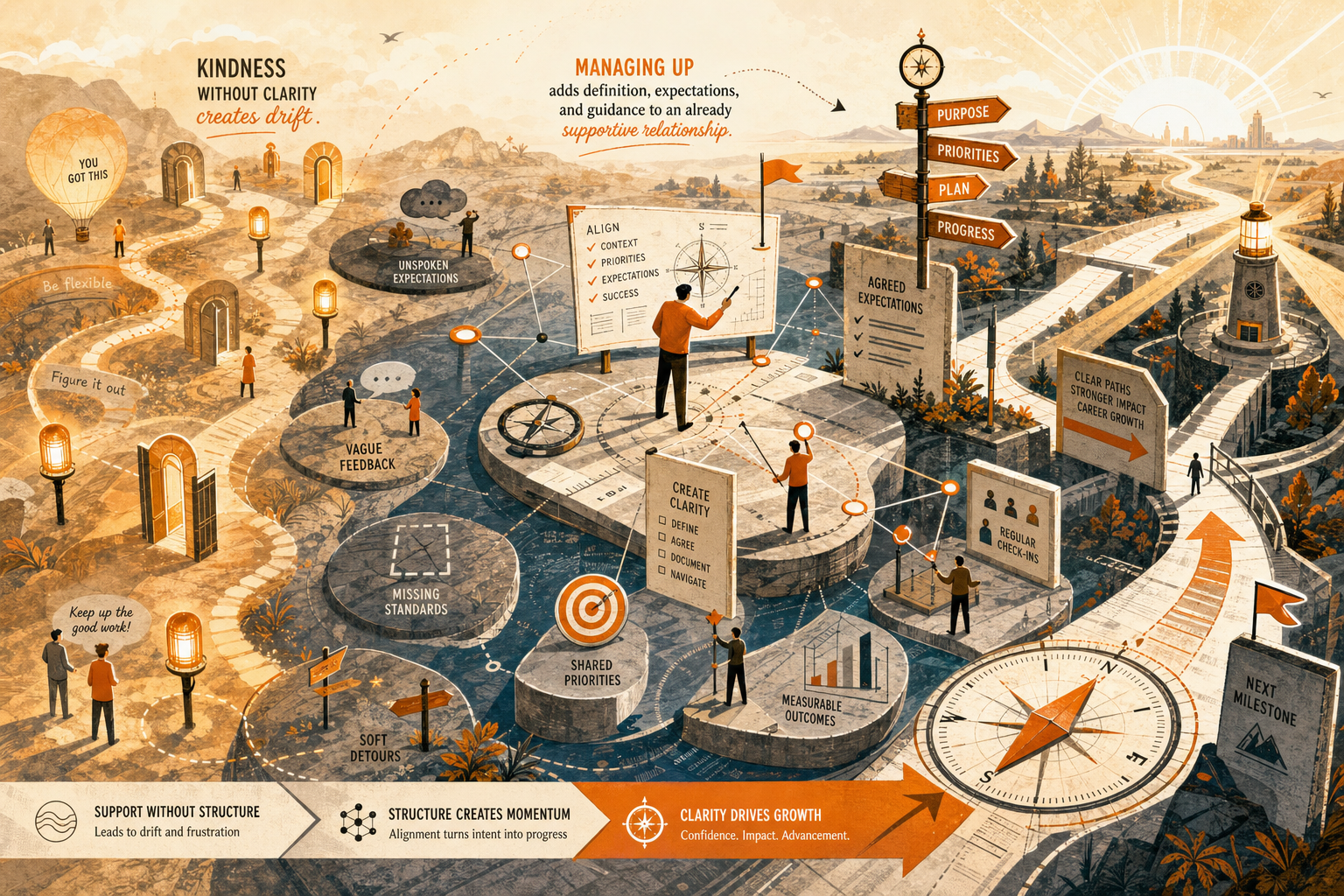
The fix is not to become sweeter. It is not to become scarier. The fix is to get clinically clear about what is actually slowing the work, then make that visible before your credibility pays for someone else’s vagueness.
TL;DR
- A blocking teammate is not just “annoying.” It’s someone whose control over information, approvals, access, or timing is slowing work in a preventable way.
- Don’t begin with a personality diagnosis. Figure out whether you’re dealing with overload, fuzzy ownership, avoidance, or control.
- Your first useful move is plain project language: what’s done, what’s needed, by when, and what shifts if it doesn’t happen.
- Escalate when the work is at risk, not when your resentment finally boils over.
- The deeper career skill here is making work legible under pressure so the truth of the situation is visible to other adults.
First, stop asking, “Why are they like this?”
That question feels satisfying for about eleven seconds. Then it makes you stupid.
Once you start narrating the coworker as lazy, territorial, passive-aggressive, chaotic, threatened, or “just a lot,” you’re in amateur-psychology land. And amateur psychology is a terrible project management tool.
A teammate who blocks your work usually fits one of four patterns.
1. They’re overloaded
This is the least personal version. They are slow with you because they are slow with everyone. Their messages pile up. Their meetings stack like airport delays. They’re not guarding turf. They’re drowning in it.
2. Ownership is vague
This one causes absurd amounts of friction in otherwise decent teams. Nobody ever cleanly decided who approves, who reviews, who gives optional input, or what “ready” means. So work pinballs around the room, and everyone starts acting like a structural problem is an interpersonal one.
3. They’re avoiding the decision
These people are warm in meetings and useless afterward. They sound collaborative. They thank everyone for the thoughtful work. They just never say yes, no, or “here’s the final answer.” Avoidance wears a friendly face.
4. They’re protecting control
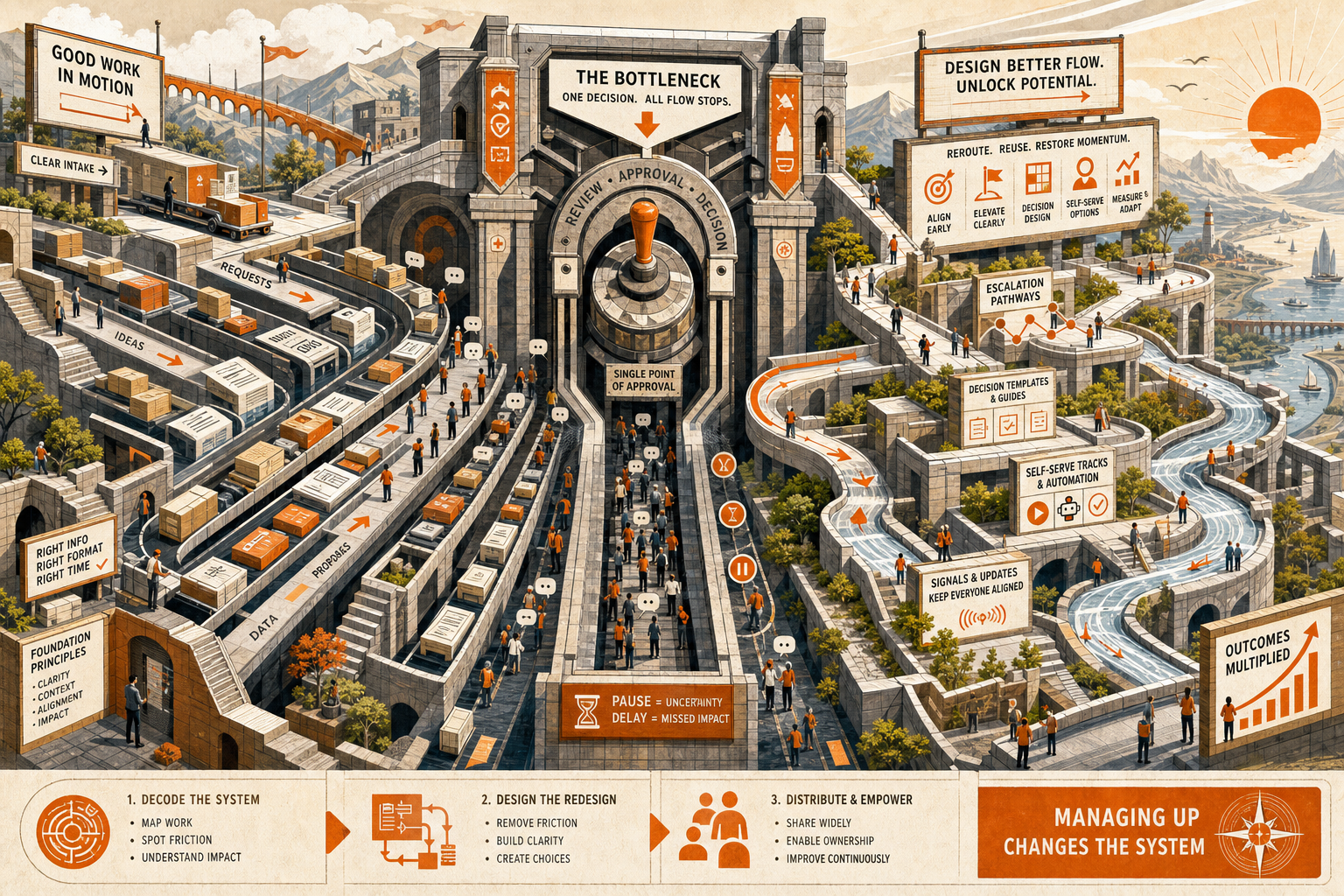
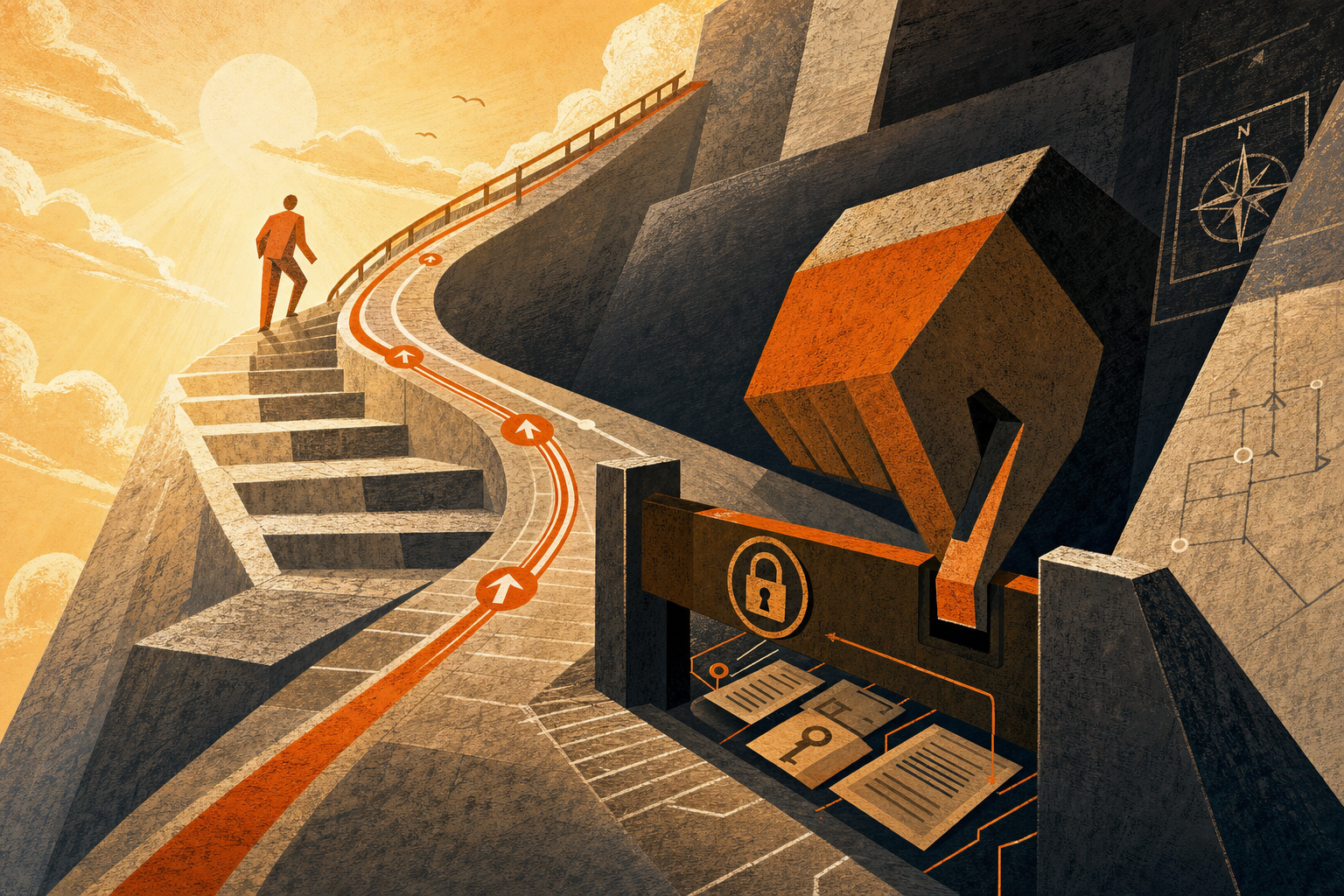
This is the one people often sense but are scared to name. They keep key information close. They add mystery review rounds. They insist on being the choke point. They remain “helpful” while quietly making sure nothing moves without them.
Those are not the same problem. If you respond to all of them with “just circling back!” you will be old and tired by Thursday.
Here’s a cleaner read:
| What keeps happening | What it probably is | Best first move |
|---|---|---|
| They’re late with everyone | Overload | Ask for timing, priority, or a backup route |
| Nobody agrees on who decides | Fuzzy ownership | Get final approval clarified in writing |
| Meetings sound good, but nothing happens after | Avoidance | Ask for a yes, no, or new date |
| They alone control access/info and keep delaying | Control behavior | Document the dependency and impact in shared spaces |
| “Done” keeps changing | Vague standards or power play | Ask what exact condition makes it approved |
The question worth sitting with is this: If I took my frustration out of the picture, what exact mechanism is slowing the work?
Answer that before you send your next message.
Your biggest mistake is keeping the blocker private
A lot of smart early-career people think professionalism means absorbing friction quietly.
They chase the person in DMs. They send soft follow-ups. They try not to “make it a thing.” They want to seem low-maintenance, capable, mature. They especially do not want to look like the junior person who needs help navigating a messy workplace.
So they manage the delay in private.
Terrible trade.
When the dependency is invisible, everyone else sees only the outcome: your draft is late, your analysis is missing, your launch slipped, your part somehow didn’t land. They do not see the unanswered messages, the missing access, the wandering approval, the little administrative swamp swallowing your week.
That’s how another person’s slowdown quietly becomes your reputation problem.
Your job is not to win a secret moral battle with the blocker. Your job is to make the dependency visible in language so factual it almost feels boring.
Not: - “You’re holding this up.” - “I’ve asked three times.” - “Can you please send this ASAP?”
Better: - “The draft is complete pending legal approval. If that doesn’t come through by 4 p.m., tomorrow’s send will need to move.” - “Analysis is ready aside from dashboard access. Can you confirm whether that request should go through you or IT?” - “Everything is done except pricing input. If I get that by 2, I can still make tomorrow’s review.”
These work because they do not sound wounded. They sound operational.
And operational language travels. It works in Slack. It works in email. It works in project notes. It works in shared docs where other people can actually see what reality is.
Pick one blocked task today and rewrite your next follow-up in this shape: 1. what is finished, 2. what is missing, 3. the date or time, 4. the consequence.
Do that once and you’ll feel the difference immediately. Your stomach drops less. Your message gets harder to dodge.
Stop asking for updates that invite nonsense
“Just checking in.” “Any news here?” “Following up on this.”
These messages are polite in the way soggy toast is technically food. They create almost no pressure for clarity. They beg for fake-progress replies: “looking now,” “should have something soon,” “on my list,” “will revert.” Corporate language is full of elegant ways to say not today.
If someone keeps blocking your work, ask for one of three things: - a date, - a decision, - or another path.
That’s it. Not a vibe. Not a status-ish feeling. A real answer.
If they’re overloaded:
“I know you’ve got a lot in queue. If this won’t happen by Thursday noon, who should I go through to keep the deadline intact?”
If ownership is fuzzy:
“I’m hearing different answers on final approval. Can we settle whether that sits with you or Priya today?”
If they’re avoiding the handoff:
“Can you confirm whether the file will be sent by 4? If not, I’ll update the timeline.”
If they keep moving the goalposts:
“What exact edits would make this approved today?”
That last line is especially useful because endless review loops survive on blur. The minute you force someone to name the finish line, a lot of fake complexity evaporates.
Yes, this can feel pushy the first few times. Your pulse kicks up. You reread the message twelve times. You wonder if you sound difficult. That discomfort is not a sign you’re doing it wrong. It is often the sensation of finally being direct.
A good standard: if your message can be answered with “still working on it,” it is too weak. Tighten it and send again.
Escalate when the work is exposed, not when your patience is gone
Many people wait far too long to loop in a manager because they think they need airtight proof first.
Proof the teammate is unreasonable. Proof the delays are intentional. Proof that no fair-minded observer could accuse them of overreacting.
This is nonsense. You are not prosecuting a murder trial.
You do not need to prove a coworker is a villain. You need to show that the work is now at risk.
That’s the threshold.
Escalate when: - the delay keeps repeating, - the deadline is now threatened, - the scope needs to change, - or no one can cleanly name the decision-maker.
At that point, silence is not maturity. It is you volunteering to be the absorbent layer between dysfunction and consequences.
Good escalation is almost dull. That’s why it works.
Bad:
“Jordan keeps gatekeeping and it’s becoming impossible.”
Useful:
“We’re blocked on approval of the client data pull. I requested it Monday and Wednesday. Without it, we can either move Friday’s review or present partial findings. Which do you want us to do?”
That note gives your manager something useful: a blocker, a timeline, an impact, and a tradeoff. Managers can act on that. They cannot do much with your spiritually correct feeling that Jordan is a nightmare.
Try this: draft the escalation without a single sentence about motive. If you use words like “clearly,” “always,” “never,” or “seems like,” delete them. Replace them with dates and choices.
The real danger is the emotional lag
This problem is logistical, yes. It is also emotional in a very specific, career-shaped way.
At first it creates background anxiety — a faint buzzing in your head while you’re making dinner, trying to answer a friend’s text, pretending you’re done for the day. Then embarrassment creeps in because other people assume your work is moving and you know it isn’t. Then resentment hardens: I did my part. Why do I still look unreliable?
By the time many people speak up, they are no longer communicating. They are venting with bullet points.
That’s why so many justified escalations still land badly. The issue is real, but the timing is terrible. You stayed quiet during the useful phase, then surfaced it only after it had soaked in enough frustration to flavor every sentence.
The move this week is to speak one beat earlier than feels natural.
Not at the first hiccup. Not every time someone takes six minutes to reply. But before you start composing imaginary speeches in the shower. Before the teammate’s name on your screen produces that hot little spike of dread. Before Sunday evening starts to feel contaminated by a Tuesday handoff.
If you notice the thought I’m going to get blamed for something I can’t control, that is usually your cue. Stop managing the stress privately. Start naming the dependency publicly and calmly.
What to say when you need actual language
“Communicate clearly” is true and useless unless you can translate it into sentences you’ll really send.
If they’re overloaded
Keep it practical. No moral performance.
- “Looks like this is competing with a lot of other priorities. If it won’t happen by 3, what’s the best backup route?”
- “To keep the timeline intact, should we lower scope or shift this piece to someone else?”
If ownership is muddy
Name the mess plainly.
- “Before I revise again, who has final approval?”
- “I’m getting conflicting answers on signoff. Can we settle that today so this stops circling?”
If they avoid the handoff
Stop rewarding vagueness.
- “Can you confirm yes, no, or a new date by 4 p.m.?”
- “We discussed sending this today. If that’s changed, I’ll update the plan.”
If they keep moving the finish line
Force a standard.
- “What exact changes are required for approval?”
- “I want to avoid another broad review loop. What are the top two must-fix items?”
If you need to bring in your manager
Be clean. Be dry. Be useful.
- “Quick flag: the draft is complete except for pricing approval. I requested that Tuesday and again this morning. Without it, we either move tomorrow’s review or proceed without final pricing. Which do you prefer?”
Steal any of these. Make them sound like you. Send them while your tone is still stable.
And here’s a question worth keeping near your keyboard: What sentence would make the next step impossible to misunderstand?
Write that one.
Protect your name in places other people can see
This is not about theatrics. It is about being legible.
If the blocker exists only in private messages, you are one forgotten thread away from wearing the delay yourself. Shared channels, meeting notes, and project docs create a fairer record. They also lower the drama because you are not cornering someone in a private back alley of Slack. You are simply stating the state of the work.
A useful public note is short and plain:
“Draft is ready pending final compliance language. If that comes through by noon, we’re still on for today’s send.”
That one sentence does two important things: 1. it gives the blocker a face-saving opening to act, 2. and it tells everyone else what the actual dependency is.
You are not building a legal archive against Todd from Product. Relax. You just need enough visible clarity that the facts do not vanish and reappear later as “not sure what happened, but we were waiting on your part.”
If your manager opened the thread cold, would they understand the blockage in under ten seconds? If not, the note is too muddy. Sharpen it.
Pick one recurring handoff and move the next update out of DM jail.
The bigger career lesson: strong people make messy work readable
This is the part that matters after this week’s headache is gone.
People love to imagine career growth as dazzling performance — the huge launch, the killer presentation, the brilliant strategy memo that makes everyone blink twice and whisper, “Wow.” Fine. Sometimes that happens.
More often, especially in disorganized companies, your reputation grows because you become the person who can say:
- here’s what’s done,
- here’s what’s stuck,
- here’s what’s needed,
- here are the tradeoffs.
That skill is not glamorous. It will never be described as “crushing it” by someone posting airport selfies on LinkedIn. It is still one of the most valuable habits you can build early.
Why? Because blocked work creates identity confusion at speed.
When you’re new, every delay can feel like a verdict on your competence. Missing access? Maybe I’m not proactive enough. Approval stalled? Maybe I didn’t build trust. Someone keeps sitting on your request? Maybe I’m just bad at cross-functional work. Sometimes you do need to improve. Of course. But sometimes the system is sloppy and someone else is quietly acting as an unspoken choke point. If you cannot tell those two situations apart, you will turn operational mess into personal shame.
That is a brutal way to build a career.
The better move is to track patterns honestly enough that you can distinguish a one-off annoyance from a repeatable structural problem. Which dependencies keep slowing your work? Which names produce instant tension in your chest? Where do you wait too long to surface risk? Which conversations leave you with that awful Sunday-night heaviness, and which 1:1s leave you with the rare electric relief of oh good, now I know what’s happening?
That’s where Career Compass is genuinely useful — not as some shiny “optimize your potential” accessory, but as a way to see patterns before they calcify into a reputation. When you track your work rhythms, recurring blockers, stress spikes, wins, and relationship patterns in one place, you stop relying on memory distorted by frustration. You get evidence. You can see whether this is one teammate, one recurring approval bottleneck, or an environment that consistently makes your work hard to see.
And that distinction matters more than most people realize. If it’s one person, you can change how you document, follow up, and escalate. If it’s a pattern across projects, you may need to reset expectations with your manager or redesign the workflow. If it’s the culture, then the lesson is bigger and less comfortable: no amount of heroic politeness will fix a workplace built on ambiguity and hidden choke points.
So no, the answer is not to swallow your frustration until you snap. And it is not to become the office vigilante, storming into channels with screenshots and a righteousness problem. The answer is earlier clarity. Calmer visibility. Better timing. You are not trying to win a personality contest; you are trying to make reality hard to misread.
The next time a teammate stalls your work, name the dependency, put a date on it, state the impact, and ask for the decision. Then watch what happens. In healthy environments, the work moves. In unhealthy ones, the pattern becomes visible faster. Either way, you get something precious back: a clearer read on what is yours to fix, what is theirs to own, and what kind of career you are actually building.