Stop Being So Available at Work

Stop Being So Available at Work
The quickest way to look busy at work is to answer everything immediately.
The quickest way to stall your career is to do that for six months straight.
A lot of early-career professionals get trapped here because “responsive” feels measurable. You can point to it. You replied in two minutes. You jumped on the call. You said yes to the “quick question.” You cleaned out your inbox before lunch. It feels disciplined. It even earns praise at first, especially from people who benefit from having instant access to your attention.
Then the bill arrives.
Your real reputation at work is not built on how fast you react to interruptions. It’s built on whether your thinking is sharp, your work holds up, your deadlines are believable, and other people can count on you without babysitting you. Those things require attention that isn’t constantly being chopped into confetti.
And that’s the part many people learn late: being easy to reach and being reliable are not the same skill. One makes other people feel good in the moment. The other makes you valuable over time.
TL;DR
- Instant replies create social comfort, not necessarily professional value.
- If you answer everything the second it appears, you teach people that your priorities come second to their timing.
- The danger isn’t only distraction. It’s identity. You start being known as helpful-but-fragmented instead of thoughtful-and-trusted.
- The goal is not to become aloof. The goal is to become predictable.
- Strong boundaries at work usually sound like this: “Not this second. Here’s when.”
Why constant availability damages your reputation
There’s a piece of career advice I dislike more every year: “Just be super responsive and opportunities will come.” That advice survives because it feels generous and low-risk. It sounds like professionalism. It sounds like hustle. It sounds like the safe choice for someone trying to prove they deserve to be there.
It is also how plenty of smart people accidentally become human notification centers.
When you are always interruptible, your day stops belonging to your actual job. It belongs to whoever is most comfortable pinging you. The loudest person gets the fastest answer. The most anxious person gets the most attention. The least organized person gets to turn their lack of planning into your sudden emergency. If you never push back, you are not demonstrating flexibility. You are volunteering your concentration as a public utility.
That pattern gets especially ugly early in your career, because the emotions underneath it are intense and embarrassingly familiar. You want to seem helpful. You want your manager to think you have urgency. You do not want to be the person who “takes forever.” You definitely do not want to see a Slack message sitting there while the green dot by your name quietly accuses you of being lazy. Twenty unanswered minutes can feel criminal when you’re new. Your chest gets tight. You tell yourself you’ll just answer this one quickly. Then the hour is gone, your real work is untouched, and now you feel behind and guilty at the same time.
That emotional cycle matters because people often mistake it for work ethic. It isn’t. It’s unmanaged anxiety wearing a blazer.
I learned that lesson in a more expensive way than I would recommend. Early in my career, I stepped into a leadership role before I had built any real guardrails around my time or attention. I let everyone in. Questions, approvals, status checks, “got a sec?” drive-bys, problem escalations that were not mine to solve, calendar chaos, all of it. On the surface, I looked committed. Underneath, I was cooked. I was exhausted, resentful, and weirdly ashamed, because I was working all day and still not producing the level of work I knew I was capable of. I eventually burned out hard enough that I had to resign. That experience stripped the romance out of “always available” for me. Access is not proof of dedication. Access is a resource. If you don’t allocate it, people will spend it for you.
And yes, some people will reward your availability in the short term. They’ll call you responsive. Dependable. On it. What they may not say out loud is that your work feels scattered, your focus is easy to hijack, and your priorities seem suspiciously open to negotiation. That’s the reputation cost: you become known as a fast reactor instead of a steady operator.
The better target is predictability.
Not “I answer instantly.”
“I answer in ways that make sense, and you can trust the pattern.”
That sounds less shiny, but it is much more adult. A teammate can plan around, “I’m in focus mode until 2, but if this changes today’s deadline, call me.” People can rely on that. What they cannot rely on is the colleague who appears perpetually online and still drops details because their brain has become a hallway.
If you want to see whether this problem is creeping into your own work, don’t start with your feelings. Start with your calendar and your sent messages. How many times yesterday did you change tasks because someone else wanted access to you? How often did you answer a message immediately, then resent the interruption ten minutes later? How much of your “responsiveness” was useful, and how much was simply a fast way to make your own discomfort disappear?
Sit with those numbers for a minute. They tell the truth faster than your self-image will.
Build an access model before other people build one for you
Most interruptions arrive dressed as urgency.
That costume fools a lot of people.
A Slack ping feels urgent because it lights up your screen. A teammate hovering by your desk feels urgent because now there is a human body involved and you don’t want to be rude. An email marked “quick question” feels urgent because, somehow, “quick” almost always means “please donate your concentration right now.” But a request is not important just because it arrived with energy.
The fix is not some mystical productivity routine. It is much simpler and much less glamorous: decide what deserves immediate access to you, what deserves same-day attention, and what can wait for a batch window. In other words, build an access model.
Here’s a practical version that works for a lot of knowledge workers:
Lane 1: Changes today’s work
This is the small category that actually deserves interruption.
A bug has broken the launch. A customer issue needs a decision before noon. Your manager has new direction that changes the deliverable due at 4 p.m. The executive you support is about to walk into the wrong meeting with the wrong materials. A recruiter needs a yes/no answer because a candidate is holding another offer and the clock is real.
These things should get you quickly because delay changes the outcome.
Lane 2: Changes this week’s work
This is where a huge amount of Slack noise belongs.
A teammate wants your input on next Thursday’s presentation. Someone needs feedback on a draft by tomorrow. A cross-functional partner wants to align on priorities for the week. A manager asks for a rough estimate, not an immediate deliverable. A designer pings engineering for context before refining a spec.
These things matter. They just do not deserve to smash your current task every time they appear. They belong in scheduled check-ins, response windows, or a same-day batch.
Lane 3: Informational or low-stakes
This category should stop pretending it is urgent.
Status updates. FYIs. Background reading. Non-blocking questions. Links someone wants “when you get a chance.” Calendar chatter that can wait. The “just looping you in” swamp.
This material belongs in email, docs, project tools, or your next update. It does not belong in the middle of the ninety minutes you finally carved out to think.
Once you start sorting requests this way, a lot of workplace theater becomes obvious. Some teams use Slack like a fire alarm for issues that are barely a warm toaster. Some managers email like every sentence is a decree from the mountain. Some coworkers walk over to your desk because they want the social pressure of your face making it harder for you to say, “Later.” That doesn’t make them evil. It makes them human. People choose the channel that gets them the fastest answer.
You should notice that and act accordingly.
Channel norms matter more than most people admit. Meetings should be for decisions, tradeoffs, conflict resolution, or coordination that genuinely needs live back-and-forth. Slack or Teams is useful for quick alignment, but it also manufactures fake emergencies because chat feels more immediate than it is. Email is perfectly fine for most same-day response. Text should be rare unless your team has explicitly agreed that it means, “This actually cannot wait.” And random desk drive-bys? Those are just Slack messages wearing shoes and making eye contact.
The right model depends on your role, and this is where people get sloppy. If you’re on an incident response team, supporting a live operation, managing an executive calendar, staffing an urgent customer queue, or running production systems where failures are expensive by the minute, then yes, your access model needs wider gates. But a shocking number of analysts, writers, marketers, designers, coders, recruiters, planners, and strategists behave as if every ping is a system outage. It is not. If your job depends on thought, synthesis, or judgment, uninterrupted time is not a little wellness treat. It is the raw material of the job.
Try writing this down for your actual role: - What deserves an immediate interruption? - What deserves a same-day answer but not an instant one? - What can wait for your next response block?
If you can’t answer those questions clearly, other people are already answering them for you.
And if you manage someone junior, do them a favor: say the rules out loud. Tell them what truly counts as urgent. Tell them what can wait. Half the over-responsiveness in workplaces is just unspoken panic.
How to reset expectations without sounding self-important
This is the part people dread, because privately changing your habits is easy compared with publicly changing other people’s expectations.
Nobody wants to sound precious. Nobody wants to deliver a little TED Talk about “protecting my energy” while the team is behind and everyone is annoyed. That language fails because it centers your inner experience when the workplace question is usually more practical: can people still get what they need from you, and do they understand the timing?
That is why the cleanest way to talk about boundaries at work is through reliability.
Not: “I’m trying to be less available.” Better: “I’m changing how I respond so I can get better work out on time.”
That framing matters. One sounds like withdrawal. The other sounds like judgment.
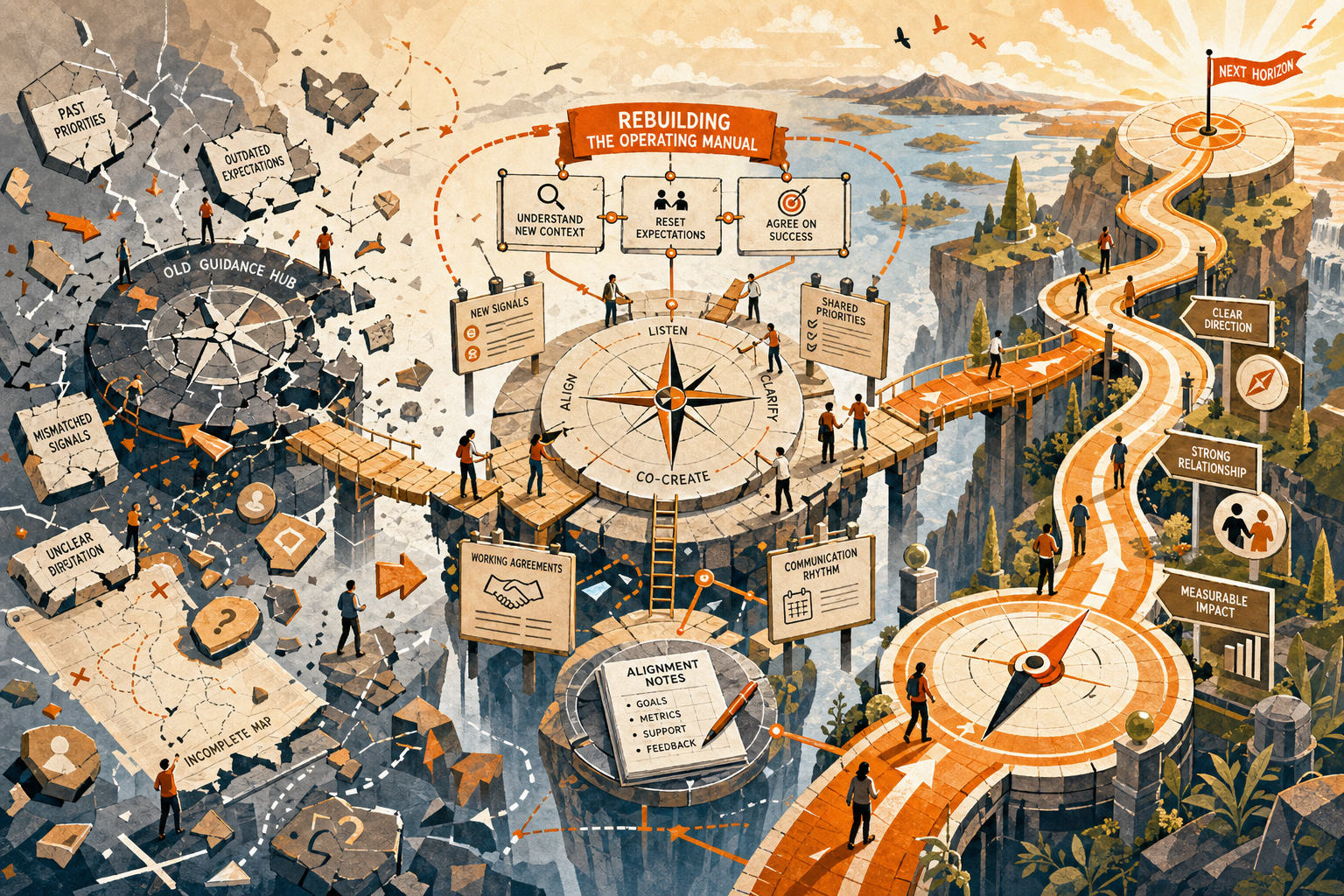
With your manager, make this a calibration conversation, not a declaration from a mountaintop. You are not asking permission to vanish. You are showing that you’ve noticed a pattern and you want to protect the outcomes they actually care about.
You might say:
“I’ve noticed I’m answering messages so fast that I’m slowing down the work you’re counting on me to finish. I’m going to check Slack at more deliberate points during focus blocks. If something changes today’s priority, please interrupt me right away.”
That works because it names the tradeoff. It also gives your manager a clear escalation path, which keeps the whole thing from sounding like a personality preference.
With peers and cross-functional partners, the phrase that earns trust is simple: not now, here’s when.
That can look like: - “I’m in the middle of the analysis right now. I can review this at 3 and send notes by 4.” - “I saw this. If it affects today’s deadline, call me. Otherwise I’ll reply this afternoon.” - “I’m heads-down this morning, but I’ve got a response block at 1:30.” - “Send me the context in one message and I’ll come back with an answer after lunch.”
Notice what these have in common. They do not dump emotional explanation on the other person. They do not apologize in a puddle. They do not say, “Sorry, I’m just swamped.” That phrase is weak because it communicates stress without offering a path. A boundary is only useful if the other person knows what happens next.
Let’s make it concrete.
Say you’re a junior marketer finishing campaign copy due by noon. A sales teammate Slacks you at 9:10, 9:26, and 9:41 with three “quick questions” about a deck they’re polishing for a call tomorrow. If you answer each one immediately, you have now trained them beautifully. They have learned that your concentration is available in retail quantities all morning long. They will be back. Also, your copy quality probably drops because every interruption forces your brain to re-enter the voice, offer, and details of the campaign from scratch.
A better response at 10:45 sounds like this:
“I was heads-down on campaign copy this morning. I just saw these and answered them below. For anything that changes today’s launch, ping me again or call. For deck questions for tomorrow, batch them and send them in one note—I’ll review this afternoon.”
That response does four jobs at once. It helps. It clarifies. It resets the pattern. And it teaches the other person how to approach you next time without turning the exchange into a weird power struggle.
Another scenario: you’re an analyst and your manager loves ad hoc pings. They’re not malicious; they simply think in motion. Every thought becomes a message. By 11 a.m. you’ve received twelve fragments, none individually urgent, all collectively destructive. If you want this to change, don’t stew and call them chaotic in your group chat. Bring them a structure.
Try:
“I’m finding that the piecemeal pings are making it harder for me to finish the analysis quickly. Would it work if I check in with you at 11 and 3 for non-urgent questions, and you call me for anything that changes today’s direction?”
Managers often respond well to this because it solves their actual problem: they want responsiveness, but they also want output. Most people have never been offered a cleaner system, so they just keep using the messy one.
Pick one stakeholder and reset the expectation this week. Not the whole company. Not your whole life. One person. One pattern. One clearer sentence.
What strong boundaries look like in real life
Good boundaries at work are rarely dramatic.
They are not a manifesto. They are not a performative status message. They are not you announcing, with the solemnity of a monastery bell, that you will now be unreachable while everyone else continues to drown.
Good boundaries are usually boring, repetitive, and slightly unsexy. That’s why they work.
They look like a calendar block labeled “Draft proposal” that you protect as if it matters, because it does. They look like checking Slack three or four times during the day instead of nibbling at it every six minutes like nervous trail mix. They look like setting your status to “Heads down until 2 p.m. — call if today’s deadline changes” and then actually honoring that instead of replying anyway because the unread badge made you itchy. They look like giving people cleaner updates so they do not have to hunt you down for status in the first place.
That last point gets missed all the time. Many interruptions are not random. They are a tax on ambiguity. If people keep chasing you, sometimes it is because they are rude. Sometimes it is because your handoffs are muddy, your deadlines are vague, and your updates leave everyone guessing. The fix is not only “better boundaries.” The fix may also be “stop making people excavate basic information from you.”
Here’s what stronger day-to-day behavior can look like across different roles:
A software engineer blocks 9:00 to 11:30 for coding, turns off desktop notifications, and tells the team: “If prod is on fire, call me. If not, I’ll answer after standup and again at lunch.” Result: fewer half-written functions, fewer silly bugs caused by context switching, and a much calmer nervous system by Friday.
An executive assistant separates “calendar changed today” from “FYI for next week,” asks the executive to use text only for true same-day schedule changes, and routes everything else through email or a shared doc. Result: less frantic message sprawl and fewer mistakes caused by scattered instructions living in five places.
A recruiter stops responding instantly to every hiring manager opinion, sets a daily slot for candidate feedback review, and says, “If you need an offer decision today, text me. Otherwise put comments in the scorecard by 4.” Result: faster actual decisions, less gossip-by-Slack, and a hiring process that doesn’t feel like improvisational theater.
A junior project manager starts ending meetings with: “Before we leave, let’s define what is urgent, what can wait until our Thursday check-in, and where updates should live.” Result: fewer side pings, fewer people claiming confusion later, and much less 5:17 p.m. nonsense.
Notice the pattern: the best boundaries are operational. They do not depend on everybody admiring your emotional maturity. They depend on clear rules, repeated language, and the courage to hold the line a few times while people adjust.
The language matters more than people think.
Weak boundary language sounds like this: - “Sorry, things are just crazy.” - “I’ve been slammed.” - “I’ll try to get to it.” - “Hopefully later?” - “I’m dealing with a lot right now.”
These lines invite more confusion because they broadcast strain instead of certainty.
Better language sounds like this: - “I’m tied up until 1. If this affects today’s deadline, call me. Otherwise I’ll reply this afternoon.” - “I can’t review this right now, but I can give you a decision by 4.” - “Bundle your questions and send them in one note—I’ll answer in my next pass.” - “I’m offline from chat while I finish this. Email me if it’s for today.”
Calm. Useful. No drama.
That rhythm matters because people can tolerate delay surprisingly well when the delay is legible. What people hate is ambiguity. Ambiguity is what creates follow-up pings, hallway sightings, and the passive-aggressive “just bumping this” note at 8:12 a.m.
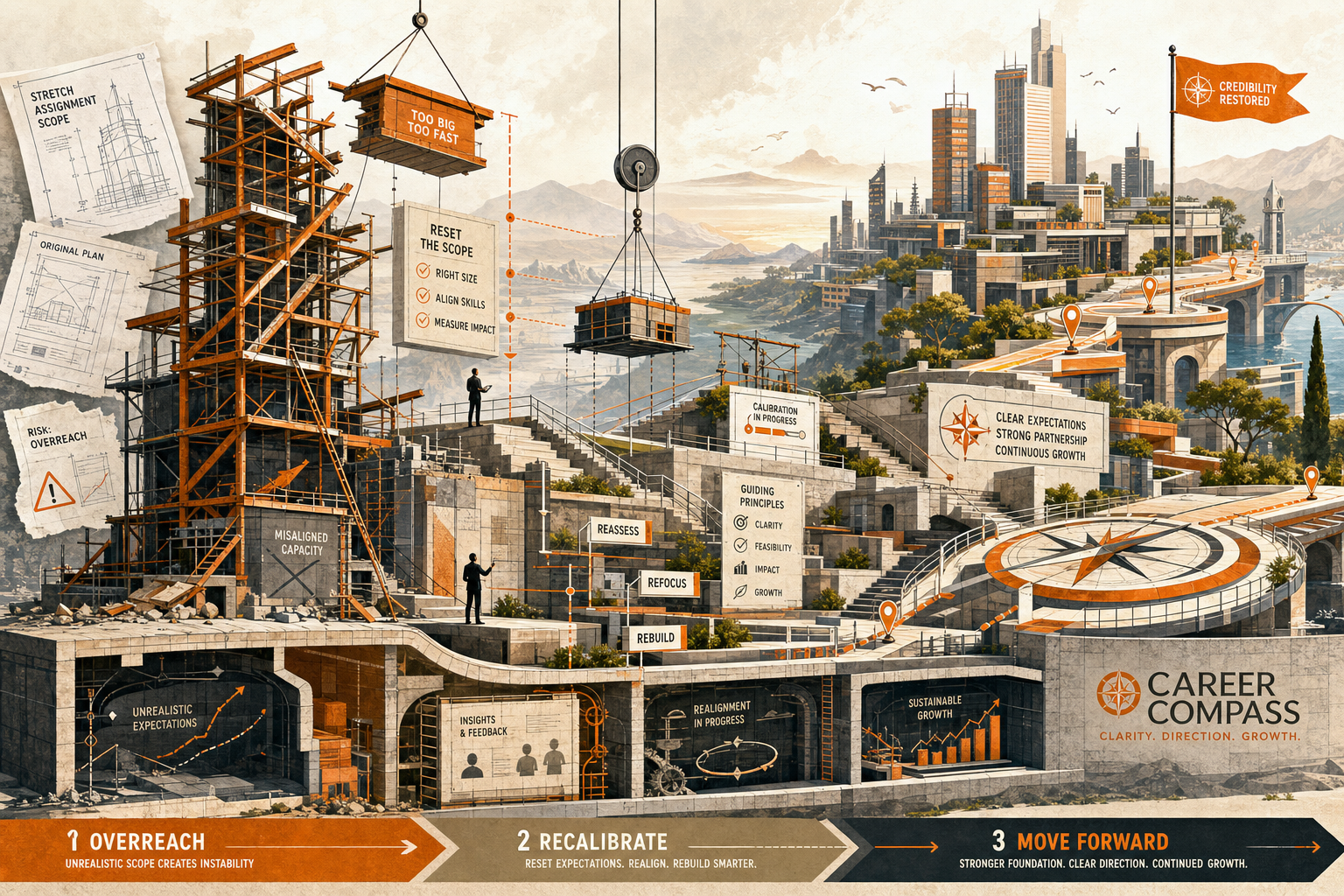
This is also why I built Career Compass the way I did. Career growth rarely collapses because someone lacks ambition. It usually drifts because smart people get swallowed by reactive work and start mistaking motion for progress. Inside Career Compass, I push people to name what matters, track actual evidence of growth, and build repeatable systems so they don’t wake up six months later with a full calendar and no real momentum. Structure is not glamorous, but it is one of the few things strong enough to beat workplace chaos.
If you’re realizing you trained everyone around you to expect instant replies, don’t turn this into a shame spiral. That habit usually comes from decent instincts: wanting to be helpful, wanting to be chosen, wanting to belong, wanting to avoid the tiny stab of guilt that comes with making someone wait. None of that makes you weak. It makes you normal.
But there is a point where “helpful” becomes “available for harvesting,” and that is a terrible career plan.
So make one visible change now. Put a focus block on your calendar tomorrow. Rewrite your Slack status so it tells people when to interrupt and when not to. Tell one coworker, plainly, “I’m heads-down until 3, but if this changes today’s plan, call me.” See what happens.
Most of the time, the world does not end.
You just get some of your brain back.
And that is often the moment your work starts getting better in a way other people can actually see.